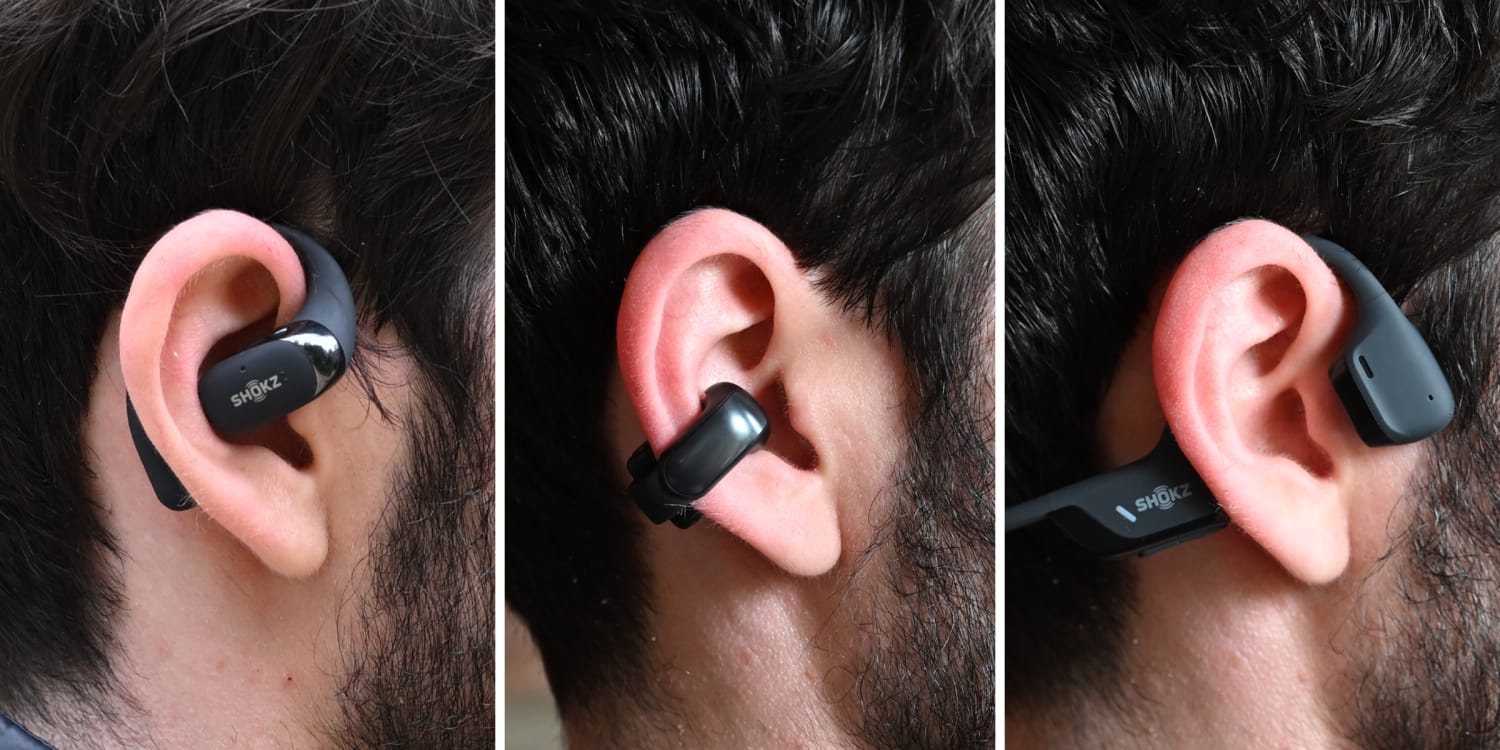
Wireless audio has become an essential part of modern life. From listening to music during a morning walk to joining meetings while working, people want headphones that provide quality sound without making everyday activities feel restrictive. This is where open ear wireless earbuds have become an increasingly appealing option. Designed to deliver audio without completely blocking the ear canal, they offer a different listening experience that combines convenience, comfort, and environmental awareness.
Unlike traditional in-ear earbuds that create a seal inside the ear, open-ear designs typically rest around or near the ear while directing sound toward the listener. This design can make them particularly useful for people who want to enjoy audio while remaining aware of what is happening around them.
Understanding the Open Ear Design
The defining feature of open ear wireless earbuds is their approach to sound delivery. Instead of placing the speaker directly inside the ear canal, many models use directional speakers or other acoustic technologies to send sound toward the ear.
This creates a more natural relationship between personal audio and the surrounding environment. Users can listen to podcasts, music, audiobooks, or calls while still hearing nearby sounds such as conversations, traffic, announcements, or household activity.
The design also eliminates the plugged-in sensation that some people experience with conventional earbuds. For users who find silicone ear tips uncomfortable, open-ear technology can provide a refreshing alternative.
Comfort for Long Listening Sessions
Comfort is one of the most important considerations when choosing everyday audio equipment. Even high-quality earbuds can become uncomfortable if they create excessive pressure inside the ear or require frequent adjustment.
Open ear wireless earbuds generally avoid inserting a component deep into the ear canal. Their lightweight construction and ear-hook or clip-style designs can help distribute pressure more naturally.
This can make them suitable for extended activities such as working at a desk, walking, commuting, studying, or listening to spoken content. However, comfort depends on the individual design, ear shape, weight, and fit, so choosing an adjustable or ergonomically shaped model can make a significant difference.
Staying Aware of Your Surroundings
One of the strongest advantages of open-ear listening is environmental awareness. Traditional noise-isolating earbuds can reduce awareness of surrounding sounds, while open-ear designs allow ambient sound to remain part of the listening experience.
This feature can be valuable during outdoor activities. Someone walking through a neighborhood may want to hear approaching vehicles, cyclists, other pedestrians, or environmental signals while listening to music.
Open-ear headphones should not be treated as a replacement for paying attention to surroundings, especially in busy traffic or other potentially hazardous environments. Still, their design can make it easier to maintain awareness compared with highly isolating earbuds.
Sound Quality and Modern Audio Technology
Some people assume that an open design automatically means lower sound quality. That is not necessarily the case. Modern open ear wireless earbuds can incorporate advanced drivers, directional audio technology, digital signal processing, microphones, and wireless connectivity features.
The listening experience may differ from sealed in-ear headphones because there is less physical isolation from the environment. Bass perception, volume, and clarity can also vary depending on the model and surroundings.
For everyday listening, however, many users may find the balance between audio quality and environmental awareness more valuable than maximum isolation. The best choice depends on personal priorities and the type of content being consumed.
A Practical Choice for Work and Communication
Wireless earbuds are no longer limited to music. Video meetings, phone calls, voice messages, online classes, and virtual collaboration have become common parts of daily routines.
Open ear wireless earbuds can be useful in these situations because users can remain connected to conversations while still hearing their surroundings. For example, someone working from home may listen to a meeting while remaining aware of activity in another part of the house.
Microphone performance is also important. If calls are a priority, shoppers should look for models with effective microphone systems and noise-processing features. Battery life, connection stability, and device compatibility should also be considered.
Great for Active Lifestyles
People who exercise frequently often have specific headphone requirements. Earbuds need to remain secure while users move, sweat, and change direction.
Open-ear models with secure ear hooks or lightweight frames can be attractive for walking, jogging, cycling, and gym activities. Since the ear canal remains relatively unobstructed, some users may also prefer the feeling during longer workouts.
Before purchasing, it is worth checking whether a model has an appropriate level of water or sweat resistance for the intended activity. A device designed for casual use may not provide the same protection as one specifically built for exercise.
Battery Life and Wireless Convenience
The wireless nature of modern earbuds removes the hassle of cables while providing freedom of movement. Bluetooth connectivity allows users to pair compatible earbuds with smartphones, tablets, laptops, and other devices.
Battery life is another important factor. Frequent travelers and people who use earbuds throughout the day may prefer longer playback times and a charging case. Fast-charging support can also be useful when the battery runs low unexpectedly.
A good everyday model should provide a practical balance between battery capacity, charging speed, comfort, and overall size.
What to Consider Before Buying
Choosing the right earbuds involves more than looking at appearance or advertised sound quality. Buyers should consider how and where they plan to use them.
Fit should be a priority because even advanced technology cannot compensate for an uncomfortable design. Sound quality should match personal preferences, while battery life should be sufficient for daily routines.
Connectivity is another consideration. Stable Bluetooth performance can prevent interruptions during calls or music playback. Buyers should also review microphone quality if they frequently participate in calls.
Finally, durability and warranty coverage can affect long-term value. A slightly more expensive model may be worthwhile if it offers better construction, dependable performance, and useful support.
Open Ear Versus Traditional Earbuds
Traditional earbuds remain popular because they can provide strong noise isolation and a more immersive listening experience. Open-ear designs focus on a different set of advantages.
For listeners who prioritize awareness, comfort, and a less enclosed feeling, open ear wireless earbuds can be an excellent alternative. For those who frequently travel by airplane, work in noisy environments, or want maximum bass and isolation, traditional sealed earbuds may still be preferable.
There is no single design that works perfectly for everyone. The right choice depends on lifestyle, listening environment, comfort preferences, and audio expectations.
The Future of Everyday Personal Audio
Personal audio technology continues to evolve. Manufacturers are exploring better directional sound, improved microphones, longer battery life, smarter connectivity, and more comfortable designs.
As these technologies develop, open-ear products may become increasingly versatile. Their ability to combine personal audio with environmental awareness makes them particularly relevant to people who want technology to fit naturally into their routines rather than isolate them from the world around them.
Final Thoughts
Open ear wireless earbuds offer a practical alternative to conventional in-ear headphones. Their combination of wireless freedom, comfortable designs, environmental awareness, and modern audio technology makes them suitable for a wide range of everyday activities.
Whether used for walking, working, exercising, making calls, or enjoying podcasts, they provide a listening experience designed around greater interaction with the surrounding environment. For consumers who value comfort and awareness as much as sound quality, open-ear technology can be a smarter and more flexible choice for everyday audio.