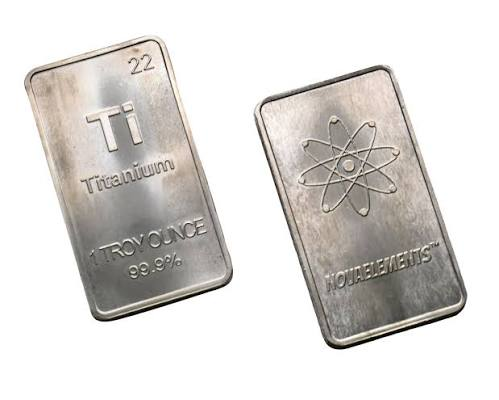
Introduction to Titanium Ingot
Titanium ingot is an important raw material in modern manufacturing, engineering, and metal processing. Known for its excellent strength-to-weight ratio, corrosion resistance, and durability, titanium is widely used in industries that require reliable performance under demanding conditions. From aerospace components and medical equipment to chemical processing systems and marine applications, Titanium Ingots provide the foundation for producing a wide range of high-performance metal products.
As industries continue to seek materials that combine strength, low weight, and long service life, titanium has become an increasingly valuable engineering metal. Understanding how titanium ingots are manufactured, what properties they offer, and where they are used can help manufacturers and engineers make informed material selection decisions.
What Is a Titanium Ingot?
A titanium ingot is a solid mass of titanium metal produced through a controlled melting and solidification process. It is generally manufactured from titanium sponge, recycled titanium materials, or a combination of suitable titanium feedstocks. Depending on the intended application, manufacturers may also produce ingots from specific titanium alloys containing elements such as aluminum, vanadium, or molybdenum.
Titanium ingots serve as intermediate products rather than finished components. They are commonly processed further through forging, rolling, extrusion, or other metalworking methods to create sheets, bars, plates, billets, and specialized industrial parts.
The size, chemical composition, internal structure, and quality of an ingot depend on its production method and intended use. Manufacturers must carefully control these factors to ensure the material meets the requirements of its final application.
Key Properties of Titanium Ingot
Titanium is valued because it offers a combination of physical and mechanical characteristics that are difficult to achieve with many conventional metals.
Excellent Strength-to-Weight Ratio
One of the most significant advantages of titanium is its ability to provide high strength without excessive weight. This makes titanium ingots particularly useful for manufacturing components that must withstand mechanical loads while remaining lightweight.
In aerospace engineering, for example, reducing component weight can improve fuel efficiency and overall aircraft performance. Titanium-based materials also support lightweight designs in automotive engineering, sports equipment, and specialized industrial machinery.
Outstanding Corrosion Resistance
Titanium naturally forms a thin, protective oxide layer when exposed to oxygen. This layer helps protect the underlying metal from many forms of corrosion.
As a result, titanium is suitable for applications involving seawater, humid environments, and various industrial chemicals. Its corrosion resistance can help reduce maintenance requirements and extend the service life of equipment.
However, its performance depends on the particular chemical environment, temperature, and material grade.
Good Temperature Performance
Certain titanium grades and alloys maintain useful mechanical properties under elevated-temperature conditions. This characteristic makes them valuable in selected aerospace engines, power-generation equipment, and industrial systems.
The maximum operating temperature depends on the alloy, exposure conditions, mechanical stress, and required service life. Therefore, engineers must select an appropriate grade for each application.
Biocompatibility
Titanium is widely recognized for its compatibility with the human body. Certain commercially pure titanium grades and titanium alloys are used in medical implants, surgical instruments, and dental applications.
Its corrosion resistance and mechanical properties make it suitable for carefully designed medical products. Nevertheless, medical applications require specific material standards, manufacturing controls, and testing procedures.
How Titanium Ingots Are Manufactured
Producing a high-quality titanium ingot requires specialized equipment and precise process control. Titanium reacts readily with oxygen and other elements at high temperatures, so its melting and refining operations must be carefully managed.
1. Preparation of Raw Materials
The manufacturing process begins with suitable titanium feedstock, commonly titanium sponge. Depending on the production requirements, manufacturers may combine it with alloying elements or approved recycled material.
The raw materials are inspected to confirm their chemical composition and cleanliness. Proper preparation helps reduce contamination and supports consistent material quality throughout production.
2. Melting and Refining
Titanium feedstock is melted using specialized techniques designed to limit contamination. Vacuum arc remelting is one established method, while electron beam melting and plasma-based processes are used for particular production requirements.
These technologies help manufacturers control the chemical composition and reduce unwanted impurities. Some applications require multiple melting stages to improve consistency and ingot quality.
3. Solidification
After melting, the liquid metal solidifies into an ingot under controlled conditions. Temperature management and solidification behavior influence the ingot’s internal structure and mechanical characteristics.
Manufacturers monitor the process to minimize defects and maintain uniformity. Proper solidification is particularly important when the resulting material will be used in critical aerospace, medical, or industrial components.
4. Inspection and Quality Testing
Once the ingot has been produced, it may undergo chemical analysis, dimensional inspection, and nondestructive testing. These checks help identify internal discontinuities and confirm compliance with relevant material specifications.
The inspection requirements depend on the intended application and applicable industry standards. High-performance components generally require strict traceability and comprehensive quality documentation.
5. Further Metal Processing
Titanium ingots are usually transformed into more practical intermediate forms before becoming finished products. Forging, rolling, and other controlled deformation processes help produce the required shapes and refine the material’s structure.
Additional machining and heat treatment may be necessary, depending on the grade and final component design.
Major Applications of Titanium Ingot
Titanium ingots support numerous industries because of their adaptability and performance characteristics.
Aerospace and Aviation
The aerospace industry is a major user of titanium-based materials. Aircraft structures, engine components, landing gear parts, and fasteners may use titanium alloys when low weight, strength, and corrosion resistance are important.
Starting with a high-quality ingot helps manufacturers produce components that meet demanding engineering specifications. Consistent material properties are essential for applications where reliability and safety are priorities.
Medical and Healthcare Equipment
Titanium is used in various medical products, including orthopedic implants, dental implants, and surgical instruments. The material’s biocompatibility and corrosion resistance make it suitable for applications requiring long-term contact with the body.
The ingot itself must meet the required chemical and quality specifications before it can be processed into medical-grade products.
Chemical Processing Industry
Chemical plants often operate in environments where conventional metals may corrode quickly. Titanium equipment can offer a practical solution for selected applications involving corrosive liquids, heat exchangers, piping systems, and process vessels.
Using suitable titanium grades can help reduce corrosion-related maintenance and improve equipment longevity. Material selection must still account for the exact chemicals, concentrations, and operating temperatures involved.
Marine Engineering
Seawater can create severe corrosion challenges for industrial equipment. Titanium’s resistance to seawater makes it useful in marine systems, desalination plants, and selected offshore installations.
Components manufactured from titanium may provide long service life in demanding environments, although their initial cost can be higher than that of conventional materials.
Automotive and Industrial Manufacturing
Titanium alloys are used in specialized automotive components, motorsports equipment, industrial machinery, and high-performance products. Their low weight and mechanical strength can support demanding designs.
In broader industrial manufacturing, titanium ingots also supply material for custom-engineered parts that require a combination of durability and corrosion resistance.
Advantages of Using Titanium Ingots
The benefits of titanium ingots extend beyond the properties of the metal itself. They provide manufacturers with a starting material that can be tailored to specific engineering requirements.
- Long-term durability: Appropriate titanium grades can resist corrosion and perform reliably in demanding environments.
- Weight reduction: Titanium’s strength-to-weight ratio supports lighter component designs.
- Versatile processing: Ingots can be converted into various forms through established metalworking methods.
- Specialized performance: Different titanium grades and alloys can address distinct mechanical and environmental requirements.
- Reduced maintenance potential: Corrosion-resistant components may require less frequent replacement or repair in suitable applications.
Although titanium offers significant advantages, it can be expensive to produce and process. Its melting requires specialized equipment, and machining can be more challenging than working with some conventional metals. Manufacturers must evaluate the complete production cost rather than considering raw material price alone.
Factors to Consider When Selecting Titanium Ingot
Choosing the correct titanium ingot involves evaluating several important factors.
First, buyers should identify the required grade and chemical composition. Commercially pure titanium and titanium alloys have different mechanical properties and intended uses.
Second, the ingot’s dimensions and weight should match the planned manufacturing process. Suitable dimensions can help reduce unnecessary material waste during subsequent processing.
Third, quality certification and traceability are important, particularly for aerospace, medical, and other critical applications. Buyers should review inspection records and confirm that the material meets the relevant specifications.
Finally, suppliers should be assessed according to product consistency, technical support, delivery reliability, and documentation. A dependable supplier can help manufacturers maintain production quality and avoid costly delays.
The Future of Titanium Ingot Manufacturing
Titanium production continues to evolve as manufacturers seek improved efficiency, material consistency, and more sustainable production methods. Advances in melting technology, automated inspection, process monitoring, and material recycling are helping the industry explore better ways to manage production costs and quality.
Recycling suitable titanium scrap can reduce the demand for newly processed raw materials, although recycled feedstock must be carefully sorted and controlled to prevent contamination.
Demand from aerospace engineering, medical technology, marine infrastructure, and advanced manufacturing is likely to keep titanium an important material for specialized industrial applications. Ongoing improvements in production and processing may also help expand its use in applications where cost has traditionally been a limiting factor.
Conclusion
Titanium ingot is a valuable industrial raw material that combines strength, low weight, corrosion resistance, and versatility. Its role in aerospace, healthcare, chemical processing, marine engineering, and specialized manufacturing demonstrates its importance across modern industries.
From raw material preparation and controlled melting to inspection and further processing, every production stage contributes to the quality of the final material. Selecting the right grade, verifying quality standards, and working with a reliable supplier are essential steps in achieving dependable results.
As metalworking technologies continue to advance, titanium ingots will remain an important foundation for manufacturing high-performance components that meet increasingly demanding engineering requirements.