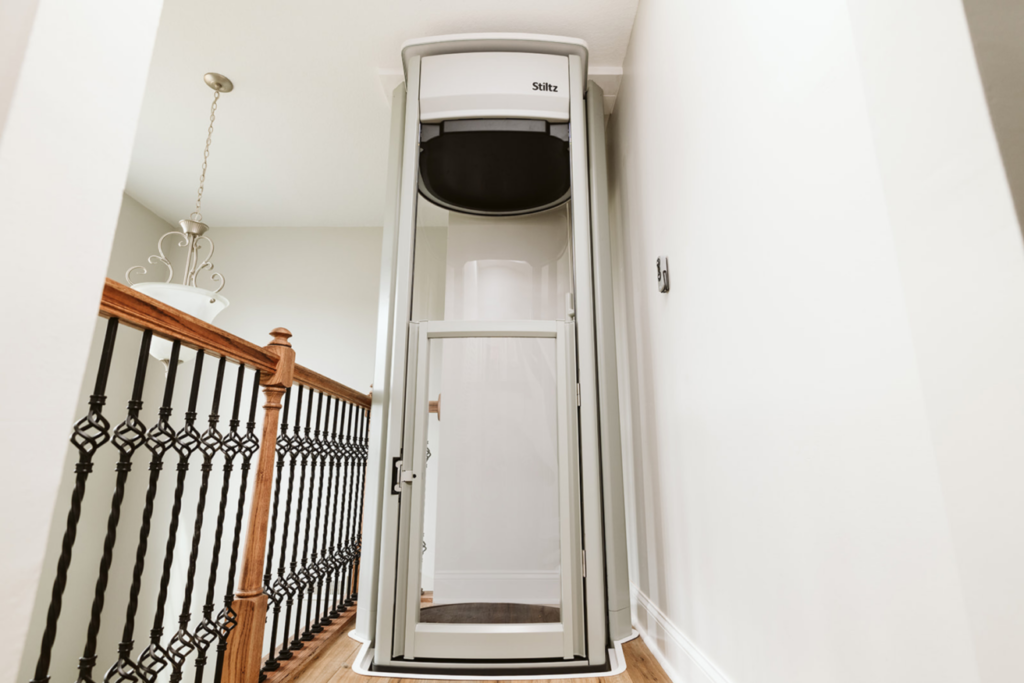
Installing a home elevator lift can dramatically improve accessibility, convenience, and the overall value of your home. However, safety is a paramount concern when it comes to these vertical transportation systems. Understanding the essential safety features of a home elevator lift is crucial for homeowners who want peace of mind while enjoying the benefits of modern mobility solutions. This article explores the key safety elements, technology, and maintenance considerations that make home elevator lifts a reliable addition to any residence.
Why Safety Matters in Home Elevator Lifts
Home elevator lifts are designed to provide seamless mobility between floors, particularly for individuals with limited mobility or those who prefer added convenience. Despite their relatively small size compared to commercial elevators, safety is no less critical. Accidents, although rare, can occur due to mechanical failures, improper installation, or user error. Therefore, modern home elevator lifts are engineered with multiple layers of safety mechanisms to prevent injuries and ensure smooth operation.
Homeowners must consider safety features not just as optional add-ons but as integral parts of the elevator system. These features are often required by local building codes and standards to protect passengers and guarantee long-term reliability.
Key Safety Features of Home Elevator Lifts
Emergency Stop Button
One of the most fundamental safety features in a home elevator lift is the emergency stop button. This control allows passengers to halt the elevator immediately in case of an unexpected issue, such as a sudden jolt or obstruction in the shaft. The emergency stop is usually located within easy reach inside the cabin and is clearly labeled for quick identification.
Safety Brakes
Modern home elevator lifts come equipped with automatic safety brakes that engage if the elevator moves too quickly or if there is a mechanical failure. These brakes act as a fail-safe mechanism, preventing uncontrolled descents or potential accidents. Safety brakes are particularly important for hydraulic and cable-driven lifts, ensuring that even in extreme scenarios, passengers remain secure.
Door Interlocks
Door interlocks are critical safety mechanisms that prevent the elevator from operating unless the doors are fully closed. This feature protects passengers from the risk of falling into an empty shaft or being struck by a moving cabin. Many home elevator lifts also have sensors that detect obstructions in the doorway, automatically halting the lift to prevent injury.
Emergency Lowering System
In the event of a power failure, the emergency lowering system ensures that the elevator can safely reach the ground floor. This system is often powered by a backup battery or a manual hand crank, allowing passengers to exit safely without assistance. Emergency lowering systems are an essential consideration for homeowners in areas prone to power outages.
Overload Sensors
Home elevator lifts are designed to accommodate specific weight limits. Overload sensors detect when the cabin exceeds its capacity and prevent the lift from operating until the excess weight is removed. This feature not only protects passengers but also preserves the mechanical components of the elevator, reducing wear and tear over time.
Smooth Start and Stop Mechanisms
Rapid acceleration or abrupt stops can be hazardous, particularly for elderly passengers or those with mobility challenges. Smooth start and stop mechanisms gradually adjust the elevator’s speed, minimizing jerks and providing a comfortable ride. This feature enhances safety while also contributing to the longevity of the elevator system.
Fire Safety Considerations
Some home elevator lifts are equipped with fire-rated doors and materials designed to resist heat and smoke. While residential elevators are generally not a substitute for emergency exits, fire-resistant construction can provide extra time for evacuation and reduce the risk of fire-related injuries. It is important to ensure that your elevator installation complies with local fire safety regulations.
Alarm Systems and Communication Features
Home elevator lifts often include built-in alarm systems and intercoms that allow passengers to alert others in case of an emergency. This feature is particularly valuable for elderly individuals or those living alone, providing an added layer of security. Some systems are connected to mobile apps or home automation networks, allowing family members to monitor the elevator remotely.
Maintenance and Regular Safety Inspections
Even the most advanced home elevator lift is only as safe as its maintenance routine. Regular inspections by licensed technicians are essential to identify potential issues before they become hazardous. Maintenance typically includes checking mechanical components, lubricating moving parts, testing safety features, and verifying that control systems function properly.
Homeowners should also educate themselves on basic operational procedures, such as how to use the emergency stop or lower the elevator manually. Clear instructions inside the cabin can help prevent panic and ensure proper use during unexpected situations.
Choosing the Right Home Elevator Lift for Safety
When selecting a home elevator lift, safety should be a top priority alongside aesthetics and functionality. Opt for reputable manufacturers that adhere to industry standards and provide comprehensive warranties. Ask for detailed information about the safety features, including emergency systems, sensors, and compliance with local building codes.
It is also wise to consider the type of lift that best suits your home environment. Hydraulic lifts, cable-driven lifts, and pneumatic vacuum elevators each have distinct safety profiles and maintenance requirements. Discussing your options with a certified installer can help ensure that you choose a system that meets both your accessibility needs and safety expectations.
Future Innovations in Home Elevator Lift Safety
Technology continues to advance, and home elevator lifts are benefiting from innovations such as AI-based monitoring, predictive maintenance, and enhanced sensor systems. These developments aim to further minimize risks and improve the overall reliability of residential elevators. Smart home integration is also becoming more common, allowing users to control and monitor the elevator remotely, receive alerts, and schedule maintenance proactively.
Conclusion
A home elevator lift offers convenience, accessibility, and a touch of luxury, but safety cannot be overlooked. From emergency stop buttons and safety brakes to overload sensors and fire-resistant materials, modern elevators are equipped with multiple layers of protection to keep passengers secure. Regular maintenance, professional installation, and informed decision-making are essential to ensure that your home elevator lift remains a safe and reliable feature of your home for years to come.
Understanding these safety features allows homeowners to make informed choices and enjoy the benefits of vertical mobility without compromising on peace of mind. With careful planning, professional guidance, and adherence to safety standards, a home elevator lift can transform your living space into a truly accessible and secure environment.