Introduction to Multi-Span Film Greenhouses
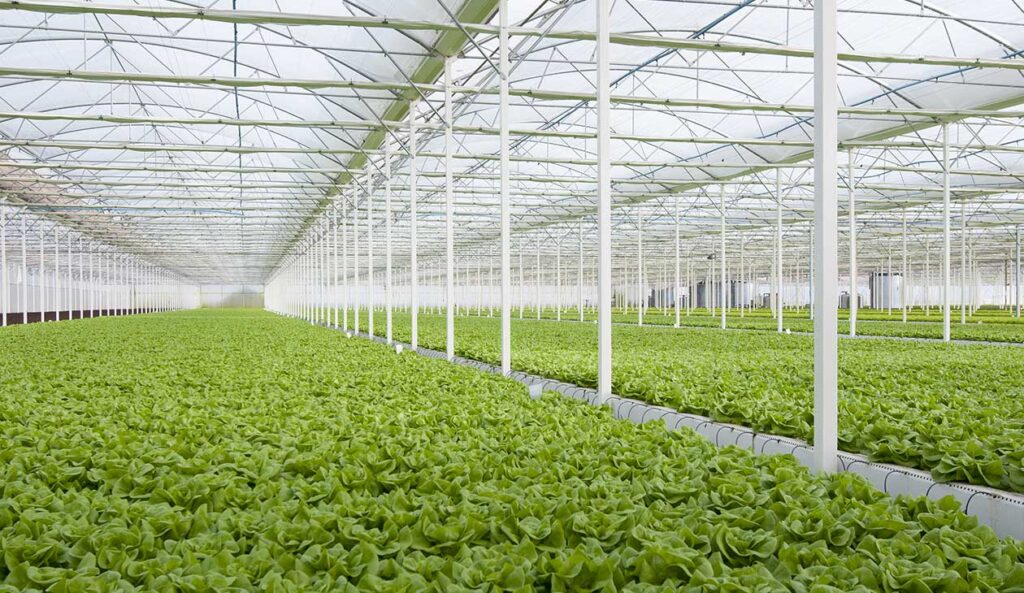
In recent years, horticulture has witnessed a dramatic transformation driven by technological advancements and innovative farming practices. One of the most significant developments in controlled environment agriculture is the adoption of multi-span film greenhouse. These structures have emerged as game-changers for commercial growers, offering unparalleled benefits in crop productivity, energy efficiency, and overall operational effectiveness. A Multi-Span Film Greenhouse is designed with multiple adjoining spans covered with high-quality plastic films, creating a uniform and controlled environment ideal for a variety of crops. This design has not only revolutionized plant cultivation but also addressed many challenges faced by traditional greenhouse structures.
The Structural Advantages of Multi-Span Film Greenhouses
Multi-span film greenhouses are characterized by their modular construction, where several connected spans form a single, expansive growing area. Unlike single-span greenhouses, these structures provide better space utilization and improved airflow, crucial for maintaining optimal growth conditions. The frame is usually constructed from galvanized steel or aluminum, ensuring long-lasting durability and resistance to environmental stresses such as wind, rain, and snow. The plastic film used is typically UV-stabilized, allowing sunlight to penetrate while minimizing harmful radiation that could damage plants.
One of the primary advantages of this design is the flexibility it offers in terms of expansion. Farmers can easily add more spans as their operations grow, without compromising structural integrity or environmental control. This scalability makes Multi-Span Film Greenhouses an ideal choice for commercial horticulture enterprises aiming to increase production capacity efficiently.
Climate Control and Crop Management
A major factor contributing to the popularity of Multi-Span Film Greenhouses is their superior climate control capabilities. These greenhouses provide consistent temperature, humidity, and light levels, essential for high-quality crop production. Integrated systems such as automated ventilation, misting, and shading further enhance the growing environment. By maintaining optimal conditions, these greenhouses reduce crop stress, prevent diseases, and encourage uniform growth, resulting in higher yields and better quality produce.
Additionally, modern Multi-Span Film Greenhouses often incorporate precision agriculture technologies. Sensors can monitor soil moisture, temperature, and nutrient levels, enabling growers to adjust conditions in real-time. This not only maximizes efficiency but also reduces resource wastage, making the system more sustainable.
Economic and Operational Benefits
Investing in a Multi-Span Film Greenhouse brings significant economic advantages for horticultural businesses. The initial cost of construction is generally lower compared to glass greenhouses, making it a cost-effective solution for large-scale operations. Maintenance is relatively simple, with film replacement being an easy and affordable process compared to repairing glass structures.
Operational efficiency is another key benefit. Multi-span greenhouses allow for mechanized farming practices such as automated irrigation, fertilization, and harvesting, reducing labor costs and increasing overall productivity. The ability to cultivate multiple crop types simultaneously within the same greenhouse also enhances profitability, as growers can diversify their production and meet market demands more effectively.
Environmental Sustainability
Sustainability has become a central concern in modern agriculture, and Multi-Span Film Greenhouses contribute positively in this regard. The plastic film covering is lightweight, recyclable, and requires less energy to produce compared to glass. Energy-efficient systems integrated into the greenhouse, such as solar-powered ventilation and drip irrigation, further minimize environmental impact. Controlled water usage and reduced pesticide application also contribute to sustainable farming practices, ensuring that horticultural growth does not compromise ecological balance.
Moreover, the ability to grow crops year-round in a Multi-Span Film Greenhouse reduces dependency on seasonal cycles and minimizes the carbon footprint associated with long-distance transportation of produce. This aligns perfectly with the growing global demand for locally sourced and environmentally friendly agricultural products.
Innovations in Multi-Span Film Greenhouse Technology
The evolution of Multi-Span Film Greenhouses continues with the integration of cutting-edge technology. Advanced films now offer higher light diffusion, thermal insulation, and durability. Smart greenhouse systems equipped with artificial intelligence and machine learning algorithms can predict crop needs, optimize resource use, and even detect early signs of disease or pest infestation.
Some modern greenhouses incorporate hydroponic or aquaponic systems, allowing soil-less cultivation and further enhancing productivity. The combination of multi-span design with these advanced techniques ensures that growers can achieve maximum output while minimizing labor and resource input.
Global Impact and Future Prospects
The adoption of Multi-Span Film Greenhouses is growing worldwide, especially in regions with harsh climatic conditions where traditional farming is challenging. Countries in the Middle East, Africa, and Asia are increasingly investing in these structures to ensure food security, improve agricultural efficiency, and boost export potential.
As technology advances and construction materials improve, the cost-effectiveness and efficiency of Multi-Span Film Greenhouses will continue to rise. The future of horticulture will likely see these greenhouses becoming the standard for commercial crop production, offering solutions that balance productivity, sustainability, and profitability.
Conclusion
Multi-Span Film Greenhouses represent a revolutionary step in the evolution of modern horticulture. By providing superior climate control, operational efficiency, and scalability, they empower growers to maximize yields while maintaining sustainability. With ongoing technological innovations and increasing global adoption, Multi-Span Film Greenhouses are set to play a pivotal role in shaping the future of agriculture, ensuring that high-quality produce can be cultivated efficiently and sustainably across diverse environments.