Disasters can strike without warning, leaving homeowners grappling with physical, emotional, and financial challenges. From floods and fires to storms and mold infestations, these events can cause significant damage to your property. Understanding disaster restoration is crucial to ensure that your home is repaired efficiently and safely. This comprehensive guide will walk homeowners through the key aspects of disaster restoration, the importance of professional intervention, and practical steps for recovery.
What is Disaster Restoration?
Disaster restoration refers to the process of repairing and restoring a property after it has been damaged by an unexpected event. Unlike standard home repairs, disaster restoration addresses extensive damage caused by environmental factors or emergencies, such as water damage, fire damage, storm damage, or mold growth. The goal of disaster restoration is not just to repair the damage but to restore your home to a safe and livable condition while preventing further problems in the future.
Disaster restoration involves multiple steps, including assessment, mitigation, repair, and restoration. This process ensures that homeowners can return to normal life quickly while protecting the property’s structural integrity.
Common Types of Disasters Requiring Restoration
Homeowners may face various types of disasters that require restoration. Understanding the different scenarios helps in preparing for and responding effectively to each situation.
Water Damage Restoration
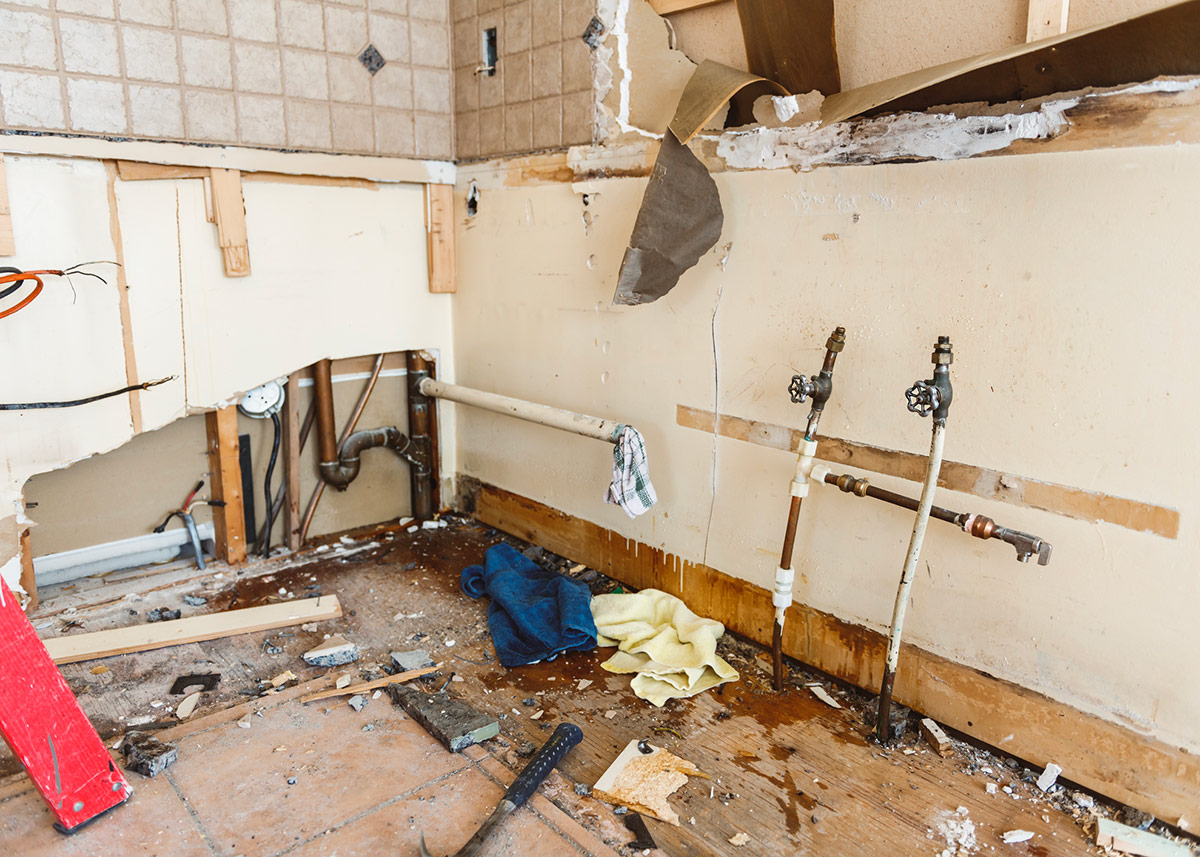
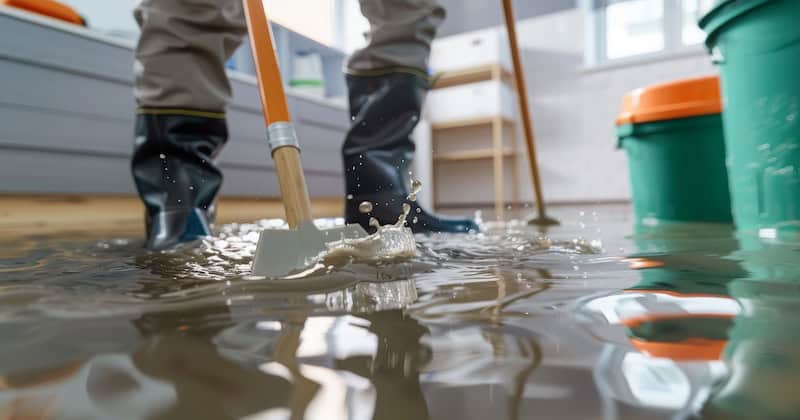
Water damage is one of the most common reasons for disaster restoration. It can occur due to natural disasters like floods or heavy rains, plumbing leaks, or appliance malfunctions. Water damage restoration involves extracting excess water, drying out the affected areas, and repairing structural damage. Timely intervention is crucial to prevent mold growth and further deterioration of materials such as wood, drywall, and flooring.
Fire Damage Restoration
Fires can devastate a home, leaving behind not only burned structures but also smoke and soot residues that can be hazardous. Fire damage restoration includes cleaning and deodorizing affected areas, removing damaged materials, and repairing or rebuilding the property. Fire restoration professionals also ensure that smoke odors are eliminated and that the home is safe for occupancy.
Storm and Wind Damage Restoration
Severe storms, hurricanes, and high winds can cause roof damage, broken windows, and flooding. Disaster restoration for storm damage often involves debris removal, temporary repairs to prevent further damage, and structural repairs to restore safety and functionality. Timely action is essential to minimize the risk of secondary damage such as water intrusion or mold growth.
Mold Remediation
Mold is a common consequence of water damage and can spread rapidly if left untreated. Mold remediation is a specialized form of disaster restoration that includes identifying the source of moisture, removing contaminated materials, and cleaning affected areas. Proper mold remediation ensures that your home is safe from potential health risks, including respiratory issues and allergic reactions.
The Disaster Restoration Process
The disaster restoration process is structured to address both immediate and long-term needs. Homeowners should understand each stage to ensure effective recovery.
Assessment and Inspection
The first step in disaster restoration is a thorough assessment of the property. Restoration professionals inspect the home to identify the extent of damage and determine the appropriate restoration plan. This assessment often includes structural evaluation, moisture detection, and documentation for insurance purposes.
Mitigation
Mitigation involves immediate actions to prevent further damage. For example, covering a damaged roof with a tarp, shutting off water sources, or boarding up broken windows can prevent secondary problems. Mitigation is a critical step in disaster restoration, as it protects both the property and the homeowner’s investment.
Cleaning and Sanitization
After mitigation, the affected areas are cleaned and sanitized. This step is particularly important in cases of water damage, fire, or mold infestations. Cleaning removes debris, soot, or contaminants, while sanitization ensures that bacteria, mold spores, and other harmful agents are eliminated.
Repair and Reconstruction
Once the property is stabilized and cleaned, repair and reconstruction begin. This stage involves rebuilding damaged structures, replacing flooring or drywall, and restoring electrical, plumbing, and HVAC systems if necessary. Skilled disaster restoration professionals coordinate these repairs to ensure structural integrity and compliance with safety codes.
Restoration and Final Inspection
The final stage of disaster restoration is restoring the home to its pre-disaster condition. This includes painting, refinishing, and final inspections to ensure that all repairs are completed correctly. Homeowners should confirm that the property is safe, functional, and aesthetically restored before moving back in.
Why Professional Disaster Restoration Matters
While some homeowners may attempt DIY repairs after minor incidents, professional disaster restoration offers several advantages.
- Expertise and Experience: Restoration professionals have specialized training to handle different types of damage, ensuring that repairs are safe, effective, and code-compliant.
- Access to Advanced Equipment: Professionals use industrial-grade equipment for water extraction, drying, mold removal, and structural repairs, which ensures faster and more thorough restoration.
- Insurance Assistance: Experienced disaster restoration companies often work directly with insurance providers, helping homeowners navigate claims and ensuring proper documentation for reimbursement.
- Health and Safety: Many disasters create hazards such as mold, contaminated water, or structural instability. Professionals are trained to handle these risks safely, reducing potential health issues.
Preparing for Disasters as a Homeowner
Prevention and preparation can significantly reduce the impact of a disaster. Homeowners should take proactive measures to protect their property, including:
- Creating a disaster emergency plan for your household
- Regularly inspecting and maintaining your home’s roof, plumbing, and electrical systems
- Installing water leak detectors and smoke alarms
- Keeping important documents and valuables in waterproof and fireproof safes
- Partnering with a reliable disaster restoration company before emergencies occur
Being prepared helps homeowners respond quickly and minimizes damage, stress, and recovery time.
Conclusion
Disaster restoration is an essential process for homeowners facing emergencies that compromise the safety and functionality of their property. Understanding the types of disasters, the restoration process, and the benefits of professional intervention can empower homeowners to make informed decisions. By preparing in advance and acting swiftly when damage occurs, you can protect your home, your health, and your peace of mind. Investing in professional disaster restoration ensures that your property is not only repaired but restored to a safe and livable condition, giving you confidence and security even in the face of unforeseen events.