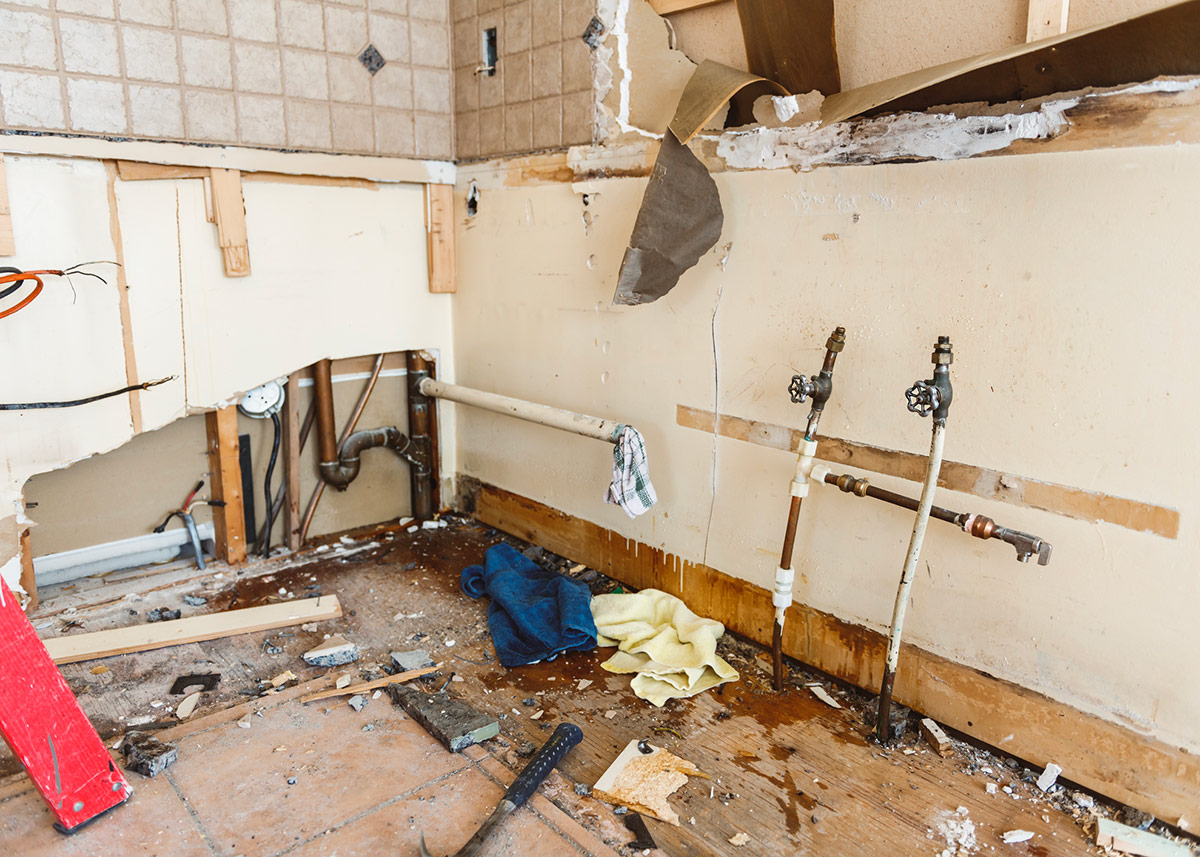
Flood damage can be devastating for homeowners and businesses alike. When water infiltrates your property, it can cause structural damage, mold growth, and loss of personal belongings. Acting quickly is crucial, which is where a flood restoration service comes in. But understanding the costs involved can help you make informed decisions and avoid surprises. This article breaks down what to expect when hiring professionals for flood cleanup and restoration.
Factors That Influence Flood Restoration Service Costs
The cost of a flood restoration service varies widely depending on multiple factors. Each flooding situation is unique, and restoration companies assess the scope of damage, the type of water involved, and the complexity of cleanup. The following are key elements that affect pricing:
Severity and Extent of Water Damage
The amount of water and the areas affected directly influence costs. Minor flooding in a single room will naturally cost less than widespread flooding throughout your home. Restoration companies often measure the square footage affected to estimate the resources required.
Type of Water
Floodwater is classified into three categories:
- Clean water – from broken pipes or rainwater, generally easier and cheaper to clean.
- Gray water – slightly contaminated, often from washing machines or dishwashers, requiring extra precautions.
- Black water – highly contaminated water, such as sewage or storm runoff, posing health risks and demanding specialized cleanup techniques. Costs rise significantly with black water due to the need for protective equipment and specialized disposal methods.
Time and Response
Speed is critical in flood restoration. Water can seep into structures quickly, leading to mold and structural damage. Emergency services available 24/7 may charge higher rates for rapid response, but timely action can prevent further costs.
Materials and Equipment Needed
The restoration process may involve pumps, industrial fans, dehumidifiers, and moisture meters. Some companies include these in their pricing, while others may charge separately. The type and amount of equipment required affect the total cost.
Labor and Expertise
Skilled professionals are essential for safe and effective flood restoration. Technicians trained in water damage mitigation, mold remediation, and structural repair ensure the job is done correctly. Labor costs will vary depending on the number of workers and the hours required to complete the restoration.
Insurance Coverage
Homeowners’ insurance policies sometimes cover flood restoration costs, but coverage depends on the policy and the source of the flooding. Checking with your insurance provider beforehand can help manage expenses and clarify what portion of the restoration costs you might pay out-of-pocket.
Average Cost of Flood Restoration Service
While costs vary, homeowners can expect a general range based on the severity of the flood:
- Minor water damage: $500–$2,000
- Moderate water damage: $2,000–$5,000
- Severe water damage: $5,000–$10,000 or more
Keep in mind that black water cleanup, structural repairs, and mold remediation can increase these numbers. Some high-end services also include complete content cleaning, which adds to the total cost.
Step-by-Step Process of Flood Restoration
Understanding the steps involved helps you anticipate expenses and know what to expect from your flood restoration service provider.
Initial Assessment
A professional team first inspects the property to determine the extent of water damage. Moisture meters and thermal imaging cameras may be used to detect hidden water. This assessment allows the company to provide a detailed estimate and plan the restoration process.
Water Extraction
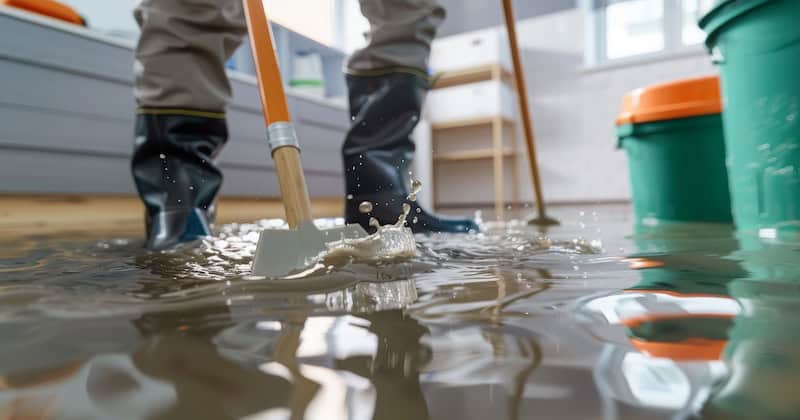
The first practical step in restoration is removing standing water. Technicians use pumps and wet vacuums to extract water quickly, preventing further structural damage and reducing the risk of mold growth.
Drying and Dehumidification
After extraction, the area must be thoroughly dried. Industrial-grade fans, air movers, and dehumidifiers are used to remove moisture from floors, walls, and furniture. This step is critical because even small amounts of residual moisture can lead to mold or warping.
Cleaning and Sanitizing
Once the water is removed, surfaces are cleaned and disinfected. Gray and black water floods require intensive sanitation to remove contaminants. Cleaning can also involve deodorizing the area to prevent lingering odors.
Repair and Restoration
Depending on the damage, restoration may include drywall replacement, flooring repairs, electrical work, and repainting. Companies often coordinate with contractors to ensure structural repairs are done correctly, which can influence the overall cost.
Tips to Manage Flood Restoration Costs
While flood damage can be unexpected, there are strategies to help manage expenses without compromising on quality:
- Act quickly: Immediate response limits damage and reduces long-term costs.
- Get multiple quotes: Compare estimates from different restoration companies to ensure competitive pricing.
- Check insurance: Confirm what your policy covers and provide documentation for claims.
- Prioritize essentials: Focus on structural and health-related restoration first before cosmetic repairs.
- Ask about packages: Some companies offer bundled services at lower rates than paying for each step individually.
Warning Signs of Hidden Costs
Even with careful planning, hidden costs can emerge during restoration. Examples include:
- Structural damage revealed only after water removal
- Mold remediation for areas previously thought unaffected
- Replacing personal belongings that cannot be salvaged
- Upgrades required to meet current building codes after repairs
Being aware of these potential extra expenses can help you budget realistically and avoid surprises.
Choosing the Right Flood Restoration Service
Selecting a reliable flood restoration service is crucial for both cost efficiency and quality. Consider the following factors when making your choice:
- Certifications and training: Look for IICRC-certified technicians specializing in water damage.
- Experience and reviews: Check customer testimonials and past projects.
- Transparency in pricing: Ensure estimates are clear and detailed.
- Availability: Emergency response services can prevent further damage.
- Insurance assistance: Companies that handle claims directly can reduce stress and help manage costs.
Conclusion
Flood damage is stressful, but knowing what to expect from a flood restoration service can make the process smoother and more affordable. Costs depend on the severity of the flood, water type, response time, equipment needs, and labor. By understanding the process, acting quickly, and choosing a reputable company, homeowners can minimize both damage and expenses. Preparing for potential hidden costs and coordinating with insurance providers ensures a more manageable restoration journey.
A well-handled flood restoration not only repairs your property but also protects your health, prevents long-term structural issues, and restores your peace of mind. By understanding the factors influencing costs, you can make informed decisions and secure the right service for your home or business.