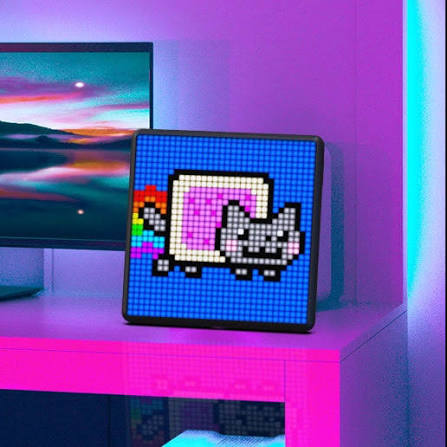
Modern interior design is increasingly blending physical style with digital creativity. Desks, bedrooms, gaming corners, home offices, and entertainment spaces are no longer decorated only with furniture, artwork, plants, and lighting. Digital devices are becoming part of the visual environment, offering both useful information and opportunities for self-expression. Among these additions, a pixel art information display stands out because it combines practical features with a distinctive retro-inspired appearance.
Unlike conventional digital screens that often focus entirely on productivity, a pixel-based display can become a decorative object in its own right. It can show artwork, animations, messages, time, weather, reminders, and other information while adding character to the surrounding space. This combination makes it particularly appealing to people who want technology to feel personal rather than purely functional.
The Growing Appeal of Digital Décor
Technology has become deeply integrated into everyday interiors. Smart speakers, ambient lights, monitors, digital clocks, and connected accessories can now contribute to the overall appearance of a room. However, many conventional devices have minimalist designs that are intended to blend into the background.
A pixel art information display takes a different approach. Instead of disappearing into the environment, it can become a visual focal point. Its grid-based graphics create an instantly recognizable digital aesthetic that can complement modern, retro, gaming, or creative décor.
Pixel art also has a nostalgic quality. The simplified graphics remind many people of classic video games, early computer interfaces, and older digital devices. At the same time, modern displays can produce colorful and highly creative designs, allowing the nostalgic appearance to fit comfortably into contemporary interiors.
Turning Information Into Decoration
One of the most interesting advantages of a pixel art information display is its ability to make useful information visually appealing. A conventional clock provides the time, but a pixel-based display can turn the same information into an animated visual element.
For example, the screen might present a digital clock alongside changing artwork. Weather information can be represented through small animated clouds, rain, sunshine, or other pixel illustrations. Notifications and reminders can also appear in a creative format instead of simply being displayed as plain text.
This approach transforms ordinary information into part of the décor. Rather than having a device that serves only one practical purpose, users can have a display that changes throughout the day according to their needs and preferences.
Personalization Makes the Difference
Personality is one of the strongest reasons people choose decorative technology. A room often reflects its owner’s interests, hobbies, favorite colors, and preferred design style. A customizable digital display can contribute to that identity.
Users can select artwork, animations, icons, messages, and visual themes that match their personality. Someone who enjoys gaming might prefer classic pixel characters and colorful animations. A creative professional might choose abstract patterns or artistic scenes. Someone who prefers a calm environment could use simple graphics and subtle animations.
This level of customization means that the same type of device can look completely different from one room to another. The display becomes an extension of the owner’s taste rather than a generic piece of electronics.
A Creative Addition to Workspaces
Workspaces are another area where digital décor can make a significant difference. Home offices and creative desks often contain computers, keyboards, monitors, headphones, speakers, and other equipment. While these devices provide functionality, the overall environment can sometimes feel overly technical.
Adding a pixel art information display can introduce a more playful visual element. It can sit beside a monitor, on a shelf, or near other desk accessories while showing useful information throughout the workday.
For example, a user might configure the display to show the current time during working hours, motivational messages during breaks, or simple animations between tasks. Because the graphics are customizable, the display can be coordinated with the rest of the workspace.
This can help create a desk environment that feels intentionally designed rather than simply assembled from different electronic products.
Enhancing Gaming and Entertainment Areas
Pixel graphics naturally fit gaming environments. Many gaming spaces already incorporate colorful lighting, collectibles, posters, themed accessories, and specialized equipment. A pixel art information display can add another layer of visual interest without requiring a large amount of space.
Animated pixel scenes can complement a gaming setup while displaying practical information such as time or notifications. The display can also serve as a decorative accent when the computer or gaming console is not being used.
Because pixel art is strongly connected with gaming culture, it can help create a consistent visual theme. Even a small display can contribute to the atmosphere of a larger entertainment setup.
Bringing Character to Bedrooms
Bedrooms can also benefit from technology that combines usefulness with visual warmth. A display positioned on a nightstand can function as a digital clock while offering personalized artwork and gentle animations.
Instead of using a standard clock with a fixed appearance, a pixel art information display can change according to the time of day. Bright, colorful visuals may be suitable during daytime, while softer designs can create a calmer nighttime atmosphere.
When used thoughtfully, digital décor can complement rather than overwhelm a bedroom. The key is choosing visuals that support the desired mood and keeping brightness appropriate for the environment.
The Retro Style of Pixel Art
Pixel art has a visual language that remains recognizable despite the development of high-resolution screens. Its deliberate use of small blocks and limited visual detail creates a style that feels both nostalgic and contemporary.
This makes pixel-based displays especially versatile. They can work in rooms featuring retro furniture, modern minimalist designs, gaming themes, or creative studio aesthetics. The display does not necessarily need to match every item in the room. Its distinctive appearance can provide contrast and become an intentional accent.
The retro influence is also part of the broader interest in nostalgic design. Many people enjoy incorporating familiar visual elements from earlier generations of technology into modern spaces. Pixel art offers an easy way to achieve that effect without making an entire room look old-fashioned.
Small Device, Significant Visual Impact
Another benefit is the relatively compact nature of many digital displays. Interior décor does not always require large objects to make an impression. A small screen with dynamic content can attract attention because it changes over time.
Unlike a static picture or decorative object, a pixel display can constantly introduce something new. Animated graphics can move, colors can change, and information can update automatically. This creates a sense of activity within the room.
The compact format also makes it easier to experiment. Users can place the display on a desk, shelf, bedside table, bookcase, or entertainment center without significantly changing the room’s layout.
Combining Function and Self-Expression
Good décor often balances beauty and usefulness. A decorative item that serves no practical purpose may look attractive, but a useful device can become even more valuable when it contributes to the room’s appearance.
A pixel art information display brings these two ideas together. It can provide time, weather, reminders, notifications, or other information while simultaneously functioning as digital artwork.
This dual purpose is particularly useful in smaller spaces where every item needs to earn its place. Instead of purchasing separate decorative artwork and an information device, users can combine elements through one customizable screen.
Choosing the Right Visual Style
The success of digital décor depends largely on customization. Users should consider how the display will interact with existing colors, furniture, lighting, and overall room design.
A colorful animated theme may work well in a gaming room, while minimalist pixel graphics could be better suited to a professional workspace. Retro artwork can complement vintage-inspired interiors, whereas abstract animations may fit contemporary spaces.
It is also useful to avoid excessive visual complexity. The goal is to add personality without creating unnecessary distraction. Choosing a few favorite themes and changing them periodically can keep the display interesting while maintaining a cohesive environment.
The Future of Personalized Digital Spaces
As smart technology continues to develop, digital devices are likely to become increasingly integrated into interior design. Instead of being viewed simply as electronics, they can function as customizable elements of personal spaces.
A pixel art information display represents this shift particularly well because it merges information, creativity, nostalgia, and personalization. It demonstrates how even a small technological object can influence the character of a room.
The appeal is not only about displaying information. It is about presenting that information in a way that feels expressive and visually engaging.
Conclusion
A pixel art information display can add personality to digital décor by turning an ordinary screen into a customizable piece of visual art. Its ability to display useful information alongside animations, artwork, and personalized themes makes it suitable for desks, bedrooms, gaming spaces, and creative interiors.
The combination of retro-inspired graphics and modern functionality gives pixel displays a unique position in contemporary décor. They can reflect individual interests, enhance the atmosphere of a room, and make everyday information more enjoyable to view.
As people continue looking for ways to personalize their digital environments, displays that combine practicality with creativity are likely to become increasingly attractive. A small pixel-based screen may seem like a simple accessory, but with the right content and placement, it can become one of the most distinctive details in a modern digital space.