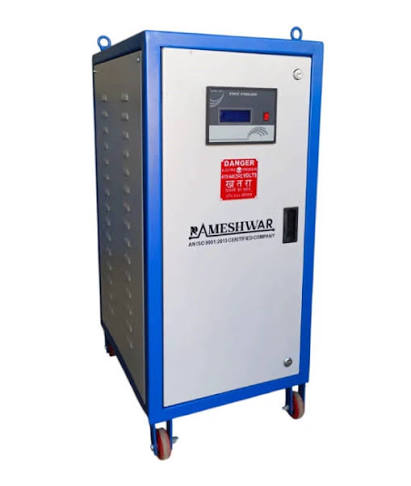
In today’s technology-driven world, a stable electricity supply is essential for homes, commercial buildings, and industrial facilities. Electrical equipment depends on consistent voltage to operate safely and efficiently. However, voltage fluctuations, sudden power variations, and unstable electrical conditions can create serious problems for sensitive machinery and electronic devices. These issues may reduce equipment performance, increase maintenance expenses, and even cause permanent damage. A Static Voltage Stabilizer offers an advanced solution by maintaining a consistent voltage level and protecting connected equipment from unwanted electrical variations.
As industries continue to depend on automated systems, advanced machinery, and digital technologies, the demand for reliable voltage regulation is increasing. Static voltage stabilizers have become an important part of modern power management because they provide fast correction, accurate regulation, and dependable performance.
What Is a Static Voltage Stabilizer?
A static voltage stabilizer is an electronic device designed to maintain a stable output voltage even when the incoming electrical supply experiences fluctuations. Unlike traditional stabilizers that depend on moving mechanical components, static models use electronic power control technology to regulate voltage.
These systems monitor incoming electricity and make rapid adjustments whenever the voltage moves outside the desired operating range. Their electronic design allows them to respond quickly to changing electrical conditions.
Static voltage stabilizers are commonly used in industrial plants, healthcare facilities, data centers, commercial buildings, laboratories, and other environments where stable power is important.
How Does a Static Voltage Stabilizer Work?
A static voltage stabilizer continuously monitors the incoming voltage through electronic sensing circuits. When the system detects a variation, its control mechanism identifies the difference between the actual voltage and the required output level.
The stabilizer then uses power electronic components to correct the voltage and deliver a more consistent supply to connected equipment.
Most systems include several important components:
- Voltage sensing circuits: Monitor incoming electrical voltage and identify fluctuations.
- Electronic controllers: Process voltage information and determine the required correction.
- Power semiconductor devices: Control electrical power and support rapid voltage regulation.
- Protection circuits: Help protect the stabilizer and connected equipment against abnormal electrical conditions.
- Cooling systems: Manage operating temperatures and support reliable performance.
The combination of these components allows static voltage stabilizers to provide accurate voltage control without depending on traditional mechanical adjustment systems.
Major Benefits of Using a Static Voltage Stabilizer
Choosing a suitable voltage stabilization system can provide several advantages for businesses and industrial operations.
1. Fast Voltage Correction
One of the biggest advantages of static voltage stabilizers is their rapid response to voltage changes. Electronic control technology allows them to detect and correct fluctuations quickly.
This feature is particularly useful for sensitive equipment that requires consistent electrical conditions. Fast correction can help reduce the risks associated with sudden voltage variations.
2. Improved Equipment Protection
Electrical equipment can experience operational problems when exposed to unstable voltage. Continuous fluctuations may affect electronic circuits, motors, control panels, and other sensitive components.
A static voltage stabilizer helps maintain the required voltage level, reducing the possibility of voltage-related equipment damage. This protection can contribute to longer equipment life and fewer unexpected repairs.
3. Higher Operational Efficiency
Industrial operations often depend on machines working continuously without interruption. Voltage instability can affect machinery performance and create unnecessary downtime.
By providing a more stable power supply, static stabilizers support consistent equipment operation. Businesses can benefit from improved productivity and more dependable electrical performance.
4. Low Maintenance Requirements
Traditional voltage stabilizers may contain mechanical components that require periodic maintenance because of physical movement and wear.
Static voltage stabilizers generally use electronic components instead of moving voltage-adjustment mechanisms. This design can reduce mechanical wear and maintenance requirements, although regular inspection and preventive servicing remain important.
5. Reliable Performance for Sensitive Applications
Modern electronic devices and industrial control systems often require accurate voltage regulation. Static voltage stabilizers are designed to respond quickly to electrical variations, making them suitable for applications where voltage consistency is especially important.
Common Applications of Static Voltage Stabilizers
Static voltage stabilizers are used across different industries because electrical stability is essential for many types of equipment.
Industrial Manufacturing Facilities
Manufacturing plants operate CNC machines, automated production lines, robotics, and industrial control systems. Voltage fluctuations can affect their performance and potentially interrupt production.
Installing an appropriately rated static voltage stabilizer can help maintain stable operating conditions and support manufacturing efficiency.
Hospitals and Healthcare Centers
Healthcare facilities depend on sensitive medical equipment, diagnostic machines, laboratory instruments, and monitoring systems. Electrical stability is important for the reliable operation of these devices.
Static voltage stabilization can help reduce voltage-related risks. Critical medical equipment should also have appropriate backup power and dedicated protection systems.
Data Centers and IT Infrastructure
Data centers operate servers, networking equipment, storage systems, and communication devices. These systems require dependable electrical infrastructure to maintain continuous operations.
A static voltage stabilizer can support power quality by regulating voltage variations. It is often used alongside UPS systems, surge protection, and other electrical safety equipment.
Commercial Buildings
Shopping centers, offices, hotels, and commercial properties use elevators, air-conditioning systems, lighting, computers, and other electrical equipment.
Voltage stabilization can help protect these systems and support reliable daily operations.
Laboratories and Research Facilities
Laboratories frequently use precision instruments that require consistent electrical conditions. Voltage instability may affect measurement accuracy or equipment performance.
Static voltage stabilizers can provide an additional layer of protection for sensitive laboratory applications.
Static Voltage Stabilizer vs. Traditional Voltage Stabilizer
Although both systems are designed to regulate voltage, their operating technologies are different.
Traditional stabilizers commonly use electromechanical mechanisms, such as servo motors and variable transformers, to adjust output voltage. Static voltage stabilizers rely on electronic power control components.
Here are some important differences:
| Feature | Static Voltage Stabilizer | Traditional Stabilizer |
|---|---|---|
| Operating technology | Electronic | Electromechanical or relay-based |
| Response time | Generally very fast | Depends on the mechanism |
| Moving components | Usually none in the regulation path | May include moving parts |
| Maintenance | Generally lower | May require mechanical servicing |
| Voltage correction | Electronic control | Mechanical or relay adjustment |
| Applications | Sensitive and industrial equipment | General electrical applications |
The right option depends on the electrical load, voltage fluctuation level, installation environment, and required performance.
Important Factors to Consider Before Buying
Selecting the correct static voltage stabilizer requires careful evaluation. A system that does not match the electrical requirements may fail to provide adequate protection.
Understand Your Load Capacity
Start by calculating the total electrical load of the equipment you want to protect. Consider the connected load, starting current, and future expansion requirements.
Selecting an appropriately sized stabilizer helps prevent overloading and supports reliable operation.
Check Input Voltage Range
Different locations experience different levels of voltage fluctuation. Choose a stabilizer with an input voltage operating range suitable for your electrical supply conditions.
Evaluate Output Voltage Accuracy
Some applications require tighter voltage regulation than others. Review the manufacturer’s output voltage accuracy specifications and make sure they match your equipment requirements.
Consider Installation Requirements
Installation conditions can influence stabilizer performance. Check available space, ventilation, ambient temperature, electrical connections, and environmental conditions before purchasing.
Review Safety and Protection Features
Look for important features such as overload protection, short-circuit protection, overvoltage protection, undervoltage protection, and temperature monitoring.
A reliable manufacturer should provide clear technical specifications and appropriate installation guidance.
Why Quality Manufacturing Matters
The quality of a static voltage stabilizer directly influences its reliability and long-term performance. High-quality electronic components, proper engineering, effective cooling, and accurate control systems are essential for dependable voltage regulation.
Businesses should consider manufacturers that provide detailed product specifications, technical assistance, warranty coverage, and after-sales support.
It is also important to ensure that the stabilizer complies with applicable electrical safety standards. Professional installation and regular inspection can further improve system reliability.
The Future of Static Voltage Stabilizer Technology
As industries adopt advanced automation, smart manufacturing, and digital infrastructure, the need for reliable power management continues to grow.
Modern static voltage stabilizers are benefiting from improvements in semiconductor technology, digital monitoring, electronic control systems, and protection mechanisms.
Future developments may bring more intelligent monitoring capabilities, improved energy management, and better integration with modern industrial electrical systems.
These improvements will make voltage stabilization increasingly important for businesses that depend on sensitive electronic equipment and uninterrupted production processes.
Conclusion
A Static Voltage Stabilizer is an effective solution for managing voltage fluctuations and maintaining a consistent electrical supply. Its fast electronic response, reduced mechanical maintenance requirements, and reliable voltage regulation make it suitable for various industrial, commercial, and sensitive applications.
From manufacturing facilities and hospitals to data centers and laboratories, stable electricity plays an important role in protecting equipment and maintaining productivity. By selecting the correct capacity, evaluating technical specifications, and working with a reliable manufacturer, businesses can improve electrical protection and support long-term operational efficiency.
Investing in a suitable static voltage stabilizer is not simply about correcting voltage variations. It is also about protecting valuable equipment, reducing avoidable maintenance costs, and building a more dependable electrical infrastructure for the future.