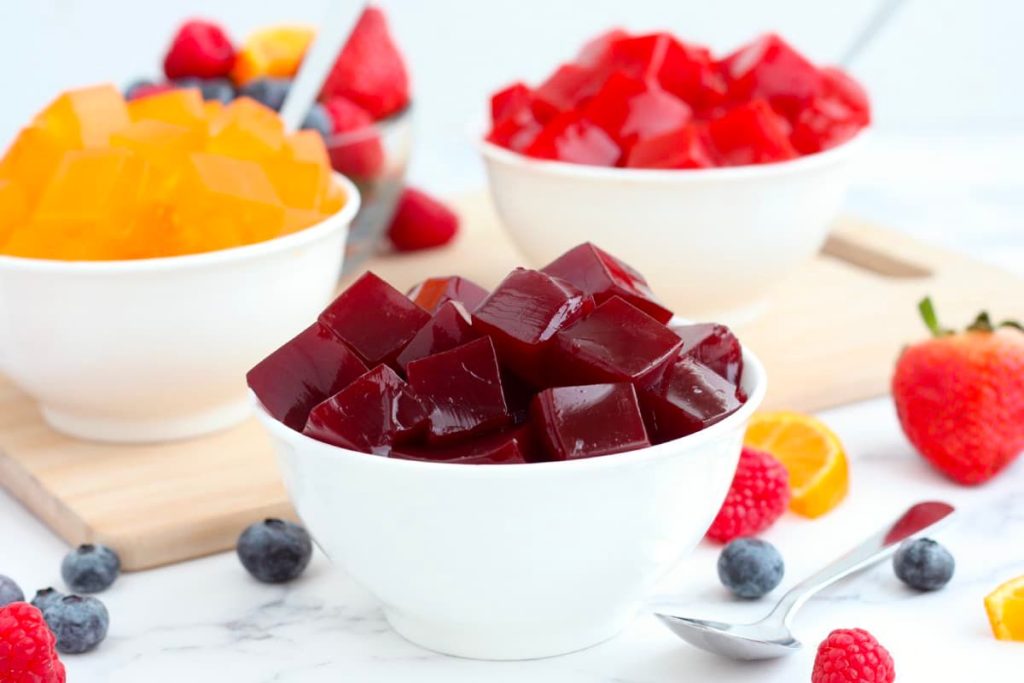
Introduction to the Gelatin Method
The gelatin method is a powerful yet often overlooked technique in baking that can dramatically enhance texture, moisture, and stability in a wide range of recipes. Whether you are crafting delicate pastries, fluffy cakes, or perfectly structured desserts, understanding the gelatin method can elevate your baking to a professional level.
At its core, the gelatin method involves hydrating gelatin and incorporating it into a recipe to improve structure and consistency. This technique is especially useful in recipes that require firmness without heaviness, such as mousses, cheesecakes, and layered desserts.
What Is Gelatin and How It Works
Gelatin is a protein derived from collagen, commonly used as a gelling agent in both sweet and savory dishes. When dissolved in warm liquid and then cooled, it forms a semi-solid structure that traps moisture and creates a smooth, cohesive texture.
The gelatin method works by stabilizing mixtures. When added to batters, fillings, or creams, gelatin helps bind ingredients together while maintaining softness. This is particularly useful in baking where maintaining moisture and structure simultaneously can be challenging.
Types of Gelatin Used in Baking
Powdered Gelatin
Powdered gelatin is the most commonly used form in baking. It is easy to measure and dissolves quickly when bloomed properly in cold water before heating.
Sheet Gelatin
Also known as leaf gelatin, this form is preferred by many professional bakers. It offers a clearer finish and more consistent results, especially in delicate desserts.
Flavored Gelatin
While less commonly used in traditional baking, flavored gelatin can add both sweetness and color to creative dessert recipes.
Understanding the Gelatin Method Step by Step
Blooming the Gelatin
The first step in the gelatin method is blooming. This involves sprinkling gelatin over cold water and allowing it to absorb moisture. This step is essential because it ensures the gelatin dissolves evenly without clumping.
Dissolving the Gelatin
After blooming, the gelatin is gently heated until fully dissolved. It should not be boiled, as excessive heat can weaken its gelling properties.
Incorporating into the Recipe
Once dissolved, the gelatin is mixed into the recipe. Timing is crucial here. If added too early, it may lose effectiveness; if added too late, it may begin to set prematurely.
Cooling and Setting
After incorporation, the mixture is allowed to cool. As it cools, the gelatin forms a stable structure that enhances the final texture of the baked or chilled product.
Benefits of Using the Gelatin Method in Baking
Improved Texture
The gelatin method creates a smooth, silky texture that is difficult to achieve with other ingredients. It prevents graininess and ensures uniform consistency.
Enhanced Moisture Retention
Gelatin helps retain moisture, keeping baked goods soft and fresh for longer periods. This is particularly beneficial in cakes and sponge-based desserts.
Structural Stability
In layered desserts and fillings, the gelatin method provides strength without making the mixture dense. This allows for clean slicing and professional presentation.
Versatility
The gelatin method can be used in a variety of recipes, from cheesecakes and custards to glazes and fillings.
Popular Recipes That Use the Gelatin Method
Cheesecakes
No-bake cheesecakes rely heavily on the gelatin method for structure. Gelatin helps the filling set firmly without baking.
Mousses
Light and airy mousses benefit from gelatin’s stabilizing properties, ensuring they hold their shape while remaining soft.
Mirror Glazes
Gelatin is a key ingredient in mirror glazes, providing the glossy finish and smooth coating seen in modern pastry designs.
Panna Cotta
This classic dessert is a perfect example of the gelatin method in action, combining cream, sugar, and gelatin to create a delicate, wobbly texture.
Common Mistakes When Using the Gelatin Method
Skipping the Blooming Step
Failing to bloom gelatin properly can result in lumps and uneven texture in the final product.
Overheating the Gelatin
Boiling gelatin can break down its structure, preventing it from setting correctly.
Incorrect Ratios
Using too much gelatin can make desserts rubbery, while too little can lead to a weak structure. Precise measurement is essential.
Adding Gelatin to Cold Mixtures
If gelatin is added directly to a cold mixture, it may set instantly and form clumps. Always temper it by mixing with a small amount of warm liquid first.
Tips for Perfecting the Gelatin Method
Use Accurate Measurements
Consistency is key when working with gelatin. Always follow recipe guidelines carefully.
Work Quickly but Carefully
Once gelatin is dissolved, it begins to set as it cools. Incorporate it efficiently to avoid premature setting.
Combine with Complementary Ingredients
The gelatin method works best when paired with ingredients that enhance its properties, such as cream, sugar, and fruit purees.
Practice Temperature Control
Maintaining the right temperature throughout the process ensures optimal results.
When to Use the Gelatin Method in Baking
The gelatin method is ideal when you need structure without heaviness. It is particularly useful in no-bake desserts, chilled cakes, and decorative elements like glazes and fillings.
It is also beneficial when working with delicate ingredients that cannot withstand high baking temperatures. By using gelatin, you can achieve stability without compromising flavor or texture.
Alternatives to the Gelatin Method
For those who prefer plant-based options, alternatives such as agar-agar and pectin can be used. While they function similarly, they have different setting properties and may require adjustments in recipes.
However, the traditional gelatin method remains the most reliable choice for achieving a smooth and creamy consistency in many baking applications.
Final Thoughts on the Gelatin Method
Mastering the gelatin method can significantly expand your baking skills. From creating elegant desserts to improving everyday recipes, this technique offers a level of control and precision that is hard to match.
By understanding how gelatin works and applying the gelatin method correctly, you can achieve professional-quality results in your kitchen. Whether you are a beginner or an experienced baker, incorporating this method into your repertoire will open up a world of creative possibilities.