Introduction
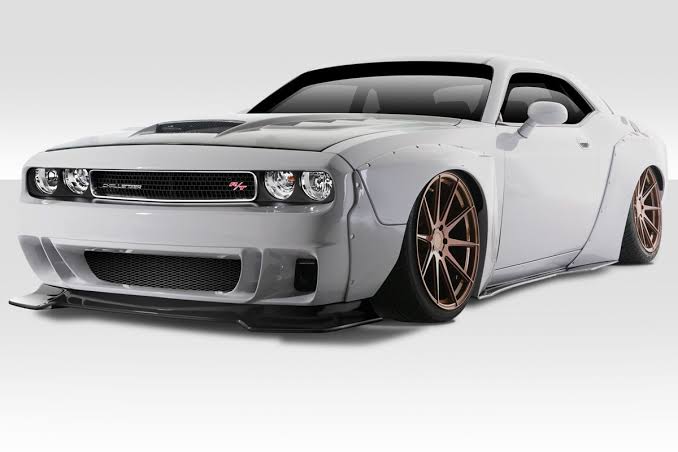
Automotive customization allows drivers to express their personalities while improving the appearance and functionality of their vehicles. Among the most popular modifications are bodykits, which can transform an ordinary car into a more distinctive and sporty-looking machine. From aggressive front bumpers to stylish side skirts and rear diffusers, bodykits offer a wide range of design possibilities. However, their benefits extend beyond visual appeal. When properly designed and installed, certain aerodynamic components can influence airflow, vehicle stability, and performance.
Understanding the relationship between bodykits and aerodynamics is essential for anyone considering an exterior upgrade. Choosing the right components requires attention to style, material quality, fitment, and the intended use of the vehicle. This guide explores how bodykits work, what they can offer, and how drivers can make informed decisions when customizing their cars.
Understanding What Bodykits Are
Bodykits are collections of exterior components designed to modify a vehicle’s appearance and, in some cases, its aerodynamic characteristics. They are available for many vehicle types, including sports cars, sedans, hatchbacks, and performance vehicles.
A typical bodykit may include a front bumper, rear bumper, side skirts, front lip, rear spoiler, or other decorative and functional accessories. Some kits replace existing factory panels, while others attach to the original bodywork.
The main purpose of a bodykit depends on its design. Some products focus primarily on styling, giving vehicles a lower, wider, or more aggressive appearance. Others are developed with aerodynamic principles in mind, helping manage airflow around the vehicle.
It is important to understand that not every bodykit improves performance. Some modifications are mainly cosmetic, while aerodynamic benefits depend on engineering, installation quality, and the vehicle’s overall design.
How Aerodynamics Influences Vehicle Performance
Aerodynamics is the study of how air moves around objects. For cars, it plays an important role in determining air resistance, stability, and airflow management at different speeds.
When a vehicle moves, air flows over its hood, windshield, roof, sides, and underbody. Poorly managed airflow can create drag or unwanted lift. Well-designed aerodynamic components can help control these effects, although the results vary according to the vehicle and the components used.
Reducing Air Resistance
Air resistance, commonly called aerodynamic drag, opposes a vehicle’s forward movement. As speed increases, drag becomes increasingly important, affecting the power needed to maintain that speed.
Certain aerodynamic modifications can reduce drag by guiding air more efficiently around the vehicle. However, a bodykit does not automatically deliver this benefit. An oversized spoiler, poorly shaped bumper, or unsuitable exterior accessory may increase drag instead.
Drivers interested in aerodynamic efficiency should look for components designed and tested for their specific vehicle rather than choosing products based on appearance alone.
Improving Downforce and Stability
Downforce is an aerodynamic force that pushes a vehicle toward the road. Properly engineered wings and other aerodynamic devices can generate downforce, helping tires maintain contact with the road under appropriate driving conditions.
Front splitters and rear wings may contribute to aerodynamic balance when they are designed to work together. An imbalance between front and rear aerodynamic forces can affect handling, particularly at higher speeds.
For everyday drivers, these benefits may be limited because many aftermarket styling parts are not tested for meaningful aerodynamic improvements. Safe driving, suitable tires, and proper vehicle maintenance remain essential.
Popular Bodykit Components and Their Functions
Front Bumpers and Front Lips
The front bumper is one of the most noticeable parts of a bodykit. An aftermarket bumper can create a sharper appearance, introduce larger air openings, or accommodate additional styling features.
A front lip extends along the lower edge of the bumper. Depending on its shape and installation, it may influence airflow beneath the vehicle. However, ground clearance is an important consideration because a low front lip can scrape against steep driveways, speed bumps, and uneven roads.
Side Skirts
Side skirts run along the lower sides of a vehicle, connecting the visual design of the front and rear bodywork. They can create a lower and wider appearance while giving a customized vehicle a more cohesive look.
Certain side skirts are designed to help manage airflow along the vehicle’s sides and underbody. Their effectiveness depends on their shape, placement, and compatibility with other aerodynamic components.
Rear Spoilers and Wings
Rear spoilers and wings are common features on performance-inspired vehicles. Although these terms are often used interchangeably, their designs and aerodynamic functions can differ.
A spoiler modifies airflow near the rear of a vehicle, while a properly designed wing can generate downforce through pressure differences across its surfaces. The result depends on factors such as its angle, height, shape, and mounting position.
Drivers should choose rear aerodynamic components that suit their vehicle and intended use instead of assuming that a larger wing automatically delivers better handling.
Rear Diffusers
A rear diffuser is generally positioned beneath the rear of a vehicle. Its shape helps manage airflow leaving the underbody, and an appropriately engineered design can contribute to aerodynamic performance.
Some aftermarket diffusers are primarily decorative. For a component to provide a meaningful functional advantage, it must work with the vehicle’s underbody and other aerodynamic features.
Choosing the Right Bodykit Style
Bodykit selection should begin with the overall appearance a driver wants to achieve. Some prefer subtle upgrades that preserve the original design, while others favor bold styling with prominent splitters, sculpted bumpers, and large rear wings.
A balanced design often produces the most attractive result. Matching the front bumper, side skirts, and rear components creates a unified appearance instead of making the vehicle look like a collection of unrelated accessories.
Vehicle color, wheel design, ride height, and existing exterior features should also influence the decision. For example, a modest front lip and carefully matched side skirts may complement a daily-use sedan, while a track-inspired design may suit a performance-focused project.
Before purchasing, examine product photographs, installation examples, and compatibility information. Confirming the exact vehicle model, year, and trim helps reduce the risk of choosing parts that do not fit properly.
Why Fitment Matters
Fitment refers to how accurately a bodykit component matches the vehicle’s dimensions, mounting points, and original bodywork. Good fitment improves appearance, simplifies installation, and helps prevent unnecessary gaps or alignment problems.
Poorly fitting components may require extensive adjustments, additional mounting hardware, or professional modifications. In some cases, incorrect installation can cause vibration, loose panels, or damage during regular driving.
Vehicle Compatibility
Always verify that a bodykit is designed for the specific vehicle generation and trim level. Cars that appear nearly identical may have different bumper shapes, lighting arrangements, parking sensors, or mounting points.
Product descriptions should clearly identify compatible models. When information is incomplete, contacting the manufacturer or supplier before ordering can prevent costly mistakes.
Professional Installation
Some simple accessories can be installed by experienced vehicle owners, but full bodykits often require specialized tools and careful alignment. Professional installation can help ensure that panels sit correctly and fasteners remain secure.
Aerodynamic components may experience significant airflow forces at speed. Spoilers, wings, and underbody accessories must be mounted according to appropriate installation requirements. Adhesive alone may not be suitable for every component.
Understanding Bodykit Materials
Material selection affects durability, flexibility, weight, cost, and finishing quality. Three common options are ABS plastic, polyurethane, and fiberglass.
ABS plastic is widely used for automotive exterior components because it offers a useful balance of strength, flexibility, and manufacturing consistency. It can be suitable for many everyday styling applications.
Polyurethane is known for its flexibility, which can help certain components tolerate minor impacts without cracking as easily as more rigid materials. However, quality varies between products.
Fiberglass allows manufacturers to create distinctive shapes and complex designs. It may be more affordable for some custom applications, but it can be less tolerant of impacts and may require additional preparation before painting.
Carbon fiber is another option, especially for performance-oriented styling. Its weight and strength characteristics can be attractive, but construction quality and cost vary considerably. A carbon-fiber appearance does not necessarily mean a component is made entirely from carbon fiber.
Balancing Performance, Practicality, and Cost
Before buying a bodykit, consider how the vehicle will be used. A car driven daily through urban streets may need greater ground clearance and more durable materials than a vehicle built primarily for track use.
Budgeting should include more than the initial purchase price. Painting, shipping, fitting, replacement hardware, and professional labor can increase the total cost substantially.
Drivers should also consider maintenance. Low-mounted components may require extra care around road obstacles, while elaborate designs can make cleaning more difficult.
If aerodynamic performance is the main objective, prioritize products supported by credible testing or engineering information. A visually impressive modification may offer little functional improvement if it is not designed to manage airflow effectively.
Legal and Safety Considerations
Vehicle modification regulations differ by location. Depending on local requirements, changes to bumpers, lighting, vehicle dimensions, ground clearance, or exterior projections may need to comply with specific safety standards.
Before installation, check the applicable rules and ensure that modifications do not obstruct lights, registration plates, sensors, or the driver’s visibility. Components should not create dangerous edges or interfere with essential vehicle systems.
After installation, inspect all mounting points and confirm that the parts remain secure. Any unusual vibration, movement, or contact with the tires should be addressed before continuing normal use.
Conclusion
Bodykits offer an exciting way to customize a vehicle, combining personal style with opportunities to explore aerodynamic design. Front lips, side skirts, rear spoilers, and diffusers can change a car’s appearance, while carefully engineered components may also influence airflow, drag, downforce, and stability.
The best results come from making informed choices. Drivers should consider vehicle compatibility, material quality, professional fitment, everyday practicality, and the actual purpose of each component. They should also remember that cosmetic upgrades do not automatically improve performance.
By balancing design with engineering and safety, car enthusiasts can create a customized vehicle that looks distinctive, fits properly, and suits their driving needs. Whether the goal is a subtle exterior refresh or a more performance-inspired appearance, thoughtful planning makes bodykit customization a more rewarding investment.